
CNshopper Finds
Spreadsheet
OVER 5000+
WITH QC PHOTOS
Click the images below to browse!






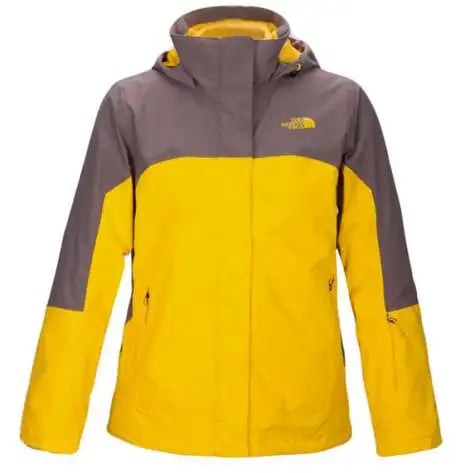


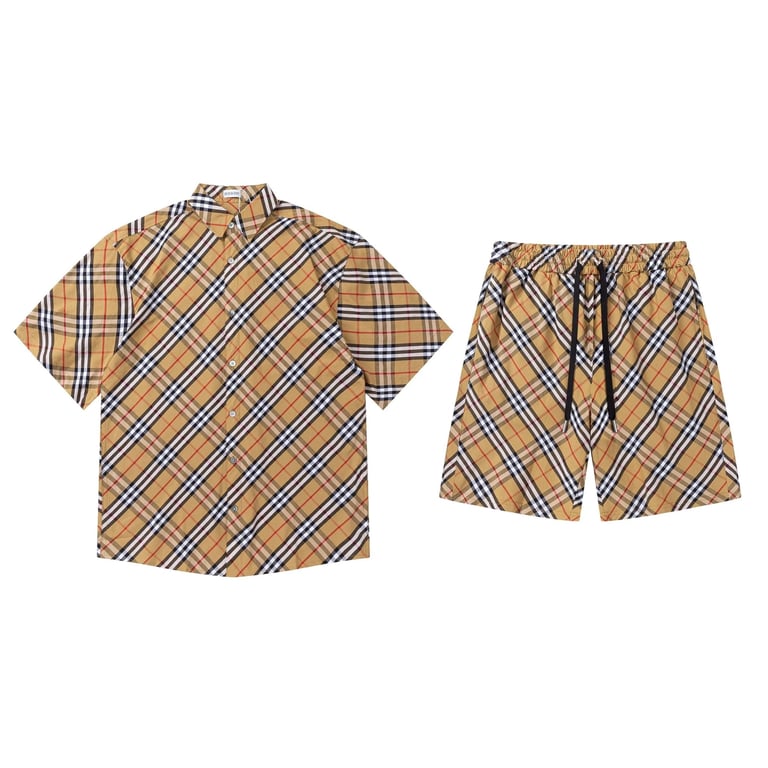
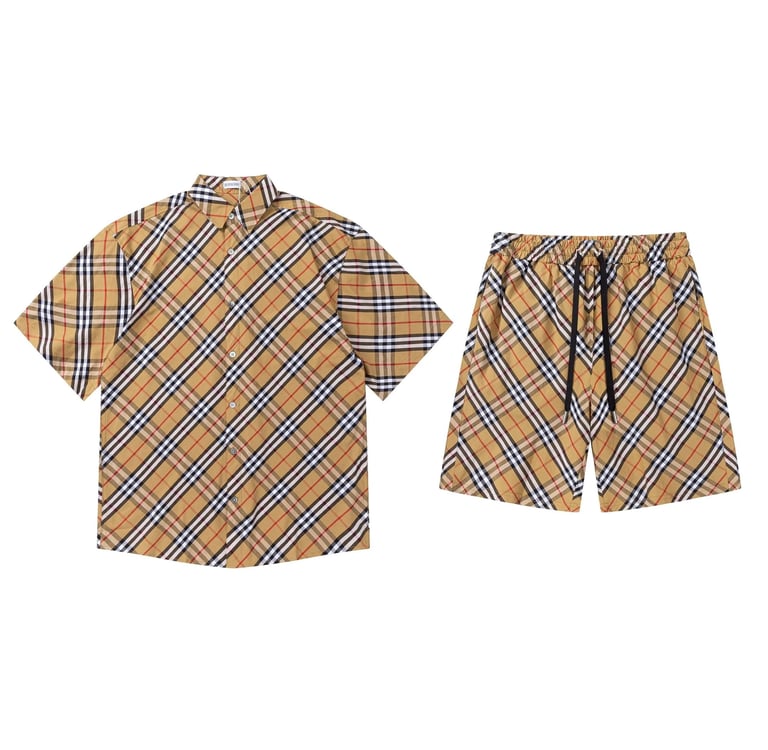







🌐 CNshopper spreadsheet for managing bulk wholesale procurement workflows|order structure + supplier grouping + batch sourcing
🧭 Introduction
In wholesale procurement systems, particularly within cross-border supply chains, bulk purchasing operations require significantly more structured coordination than single-item retail sourcing. Buyers must manage large order volumes, multiple suppliers, varying minimum order quantities (MOQ), and inconsistent product data formats across factory listings. Without a structured system, these factors often lead to inefficiencies in order consolidation, supplier misalignment, and procurement delays.
The CNshopper spreadsheet introduces a structured wholesale procurement framework that organizes bulk sourcing workflows into standardized order structures, supplier groupings, and batch sourcing logic. Combined with CNshopper links, it enables direct access to pre-grouped wholesale catalogs, improving visibility and control across large-scale procurement operations.
This system transforms wholesale sourcing from fragmented order handling into a structured procurement workflow.
📦 Top 5 Bulk Wholesale Procurement Structures in CNshopper spreadsheet
1. Bulk order quantity structuring system
In wholesale procurement, order volume directly affects pricing, logistics, and supplier selection. The CNshopper spreadsheet structures bulk orders into clear quantity-based tiers.
Small-batch wholesale grouping
Orders with flexible MOQ requirements for testing or sampling stages.
Mid-scale procurement batches
Standardized repeatable orders for stable inventory replenishment.
Large-scale bulk sourcing tiers
High-volume procurement aligned with factory-level production capacity.
Mixed batch consolidation
Combining multiple product types into unified shipment orders.
This structure improves clarity in managing bulk order complexity within CNshopper spreadsheet workflows.
2. Supplier grouping for wholesale procurement efficiency
Supplier management is a core component of wholesale sourcing, especially when dealing with multiple factories.
Direct factory wholesale grouping
Manufacturers supplying large-scale production orders.
Tiered supplier segmentation
Suppliers categorized by production scale and stability.
Category-specialized suppliers
Factories focused on specific product lines such as fashion, electronics, or household goods.
Multi-supplier aggregation clusters
Groups of suppliers capable of fulfilling combined procurement needs.
The CNshopper spreadsheet aligns supplier grouping with procurement requirements to reduce sourcing friction.
3. Batch sourcing coordination logic
Wholesale procurement relies heavily on efficient batch planning rather than isolated orders.
Product bundling logic
Grouping related products into single procurement batches.
Cross-supplier batch alignment
Synchronizing orders across multiple suppliers within one workflow.
Seasonal batch planning
Structuring procurement according to demand cycles.
Reorder batch optimization
Identifying repeatable procurement cycles for inventory stability.
These batch sourcing mechanisms are structured inside the CNshopper spreadsheet for operational efficiency.
4. Order structure normalization system
Wholesale procurement often suffers from inconsistent order formats across suppliers.
Standardized order templates
Uniform structure for MOQ, pricing, and specifications.
Cross-supplier order alignment
Ensuring comparable data fields across different factories.
Specification normalization
Unifying product attributes such as size, material, and packaging.
Multi-order consolidation structure
Combining multiple supplier orders into unified procurement entries.
This normalization process allows CNshopper spreadsheet to function as a centralized procurement control system.
5. Procurement flow segmentation model
Wholesale sourcing is not a single-step process but a multi-stage workflow.
Supplier discovery stage
Identifying eligible factories through structured catalogs.
Evaluation and comparison stage
Assessing pricing, capacity, and reliability metrics.
Order consolidation stage
Grouping selected products into bulk procurement batches.
Execution and tracking stage
Monitoring production and delivery timelines.
The CNshopper spreadsheet structures these stages into a continuous procurement pipeline.
🧠 Wholesale procurement efficiency and enterprise model
From an enterprise procurement perspective, wholesale efficiency depends on how well procurement complexity is structured into repeatable systems. Without standardization, bulk sourcing becomes difficult to scale due to inconsistent supplier behavior and fragmented order structures.
Key enterprise-level insights include:
Structured batch systems reduce procurement overhead
Supplier grouping improves negotiation efficiency
Standardized order formats enhance scalability
Workflow segmentation reduces operational risk
Centralized procurement logic improves decision consistency
The CNshopper spreadsheet reflects these principles by converting wholesale procurement into a structured, data-driven system that supports scalable sourcing operations across multiple supplier networks.
🧾 Conclusion
At the moment users leave the CNshopper spreadsheet during wholesale procurement tasks, they are typically not in a state of active comparison or evaluation anymore. Instead, the decision environment has already been compressed into a final shortlist that no longer requires active recalculation of supplier or order variables.
What remains at this exit point is a reduced set of procurement references—specific supplier clusters, batch configurations, and order structures that were previously navigated but are no longer being actively processed. These references do not function as conclusions or summaries, but as residual checkpoints that can be reactivated in future sourcing sessions.
When users return to wholesale purchasing later, they rarely restart from general supplier discovery. Instead, they re-enter the process from these previously formed checkpoints, where CNshopper spreadsheet entries and CNshopper links act as re-access anchors rather than decision-making tools.
The sourcing session therefore ends not with resolution, but with a set of inactive but retrievable procurement positions.


🌐 CNshopper spreadsheet organizing wholesale products into structured buying systems|catalog grouping + order classification + pricing layers
🧭 Introduction
In wholesale procurement environments, product organization is often fragmented across inconsistent supplier catalogs, variable pricing formats, and unstandardized order structures. This makes it difficult for buyers to interpret bulk purchasing options, especially when dealing with multi-supplier ecosystems and layered pricing strategies.
The CNshopper spreadsheet introduces a structured wholesale buying system that organizes products into catalog groups, order classifications, and pricing layers. Combined with CNshopper links, it provides direct access to pre-structured wholesale product clusters, enabling faster interpretation of bulk purchasing options and reducing complexity in procurement workflows.
This system reframes wholesale purchasing from scattered product selection into a structured buying environment.
📦 Top Wholesale Product Organization Methods in CNshopper spreadsheet
1. Bulk procurement product classification system
Wholesale products are first organized based on how they function within bulk purchasing environments.
High-volume repeat products
Items frequently ordered in large quantities for continuous supply chains.
Seasonal wholesale products
Products grouped based on cyclical demand patterns such as festivals or seasonal shifts.
Trial batch procurement products
Small-volume orders used for testing supplier reliability and product quality.
Mixed-category bulk bundles
Combined product sets designed for diversified wholesale procurement.
This classification allows CNshopper spreadsheet to segment wholesale goods according to real purchasing behavior patterns.
2. Pricing layer structure in wholesale systems
Pricing in wholesale markets is not linear, but layered based on quantity, supplier type, and negotiation level.
Factory base pricing layer
Direct manufacturing cost level pricing for large-volume buyers.
Tiered wholesale pricing layer
Pricing adjusted based on order quantity thresholds.
Negotiated supplier pricing layer
Customized pricing structures based on buyer-supplier relationships.
Market-adjusted dynamic pricing layer
Prices influenced by demand fluctuations and platform competition.
The CNshopper spreadsheet organizes these layers into comparable pricing structures.
3. Order classification logic in wholesale procurement
Order structuring is essential for managing bulk sourcing efficiently across multiple suppliers.
Single-supplier bulk orders
Large orders placed with one factory or supplier.
Multi-supplier consolidated orders
Combined procurement orders across multiple suppliers.
Category-based order grouping
Orders organized by product type for logistical efficiency.
Repetitive reorder cycles
Standardized reordering structures for stable supply chains.
This classification improves order clarity inside CNshopper spreadsheet systems.
4. Catalog grouping structure for wholesale products
Wholesale catalogs must be structured to support large-scale browsing and procurement.
Functional category grouping
Products organized by usage type such as household, fashion, or electronics.
Supplier-based catalog grouping
Products grouped under verified supplier clusters.
Price-tier catalog segmentation
Catalogs divided based on pricing levels and procurement scale.
Demand-driven catalog clusters
Groups formed based on historical purchasing frequency.
The CNshopper spreadsheet aligns these catalogs with real procurement behavior.
5. Multi-supplier management structure
Managing multiple suppliers is a core challenge in wholesale procurement.
Supplier comparison grouping
Side-by-side evaluation of similar suppliers.
Reliability-based supplier ranking
Classification based on stability and fulfillment consistency.
Cross-supplier order synchronization
Aligning multiple supplier timelines into unified procurement cycles.
Supplier substitution mapping
Backup supplier systems for risk reduction.
This structure allows CNshopper spreadsheet to function as a centralized supplier coordination system.
🧠 Wholesale market structure analysis model
From a macro perspective, wholesale markets operate through layered interactions between pricing systems, supplier networks, and procurement frequency cycles. Without structured organization, these layers become difficult to interpret consistently.
Key structural dimensions include:
Separation between factory-level and trading-level pricing logic
Influence of order volume on pricing behavior
Role of supplier reliability in procurement decisions
Impact of catalog structure on purchasing efficiency
Interaction between demand cycles and bulk ordering patterns
The CNshopper spreadsheet converts these fragmented market dynamics into structured wholesale intelligence layers.
🧾 Conclusion
In wholesale procurement systems, complexity does not arise from product scarcity but from the layered structure of pricing, ordering, and supplier organization across multiple sourcing channels. When these elements are unstructured, bulk purchasing becomes a repetitive process of interpretation rather than execution.
The CNshopper spreadsheet organizes wholesale products into structured buying systems where catalog grouping, order classification, and pricing layers are aligned within a unified procurement framework. Instead of handling wholesale goods as isolated purchasing decisions, users interact with structured procurement layers that reflect real market organization logic.
This shifts wholesale activity from fragmented product handling into a structured buying environment where procurement decisions follow organized system layers rather than dispersed supplier interpretation.